Skip to content

Biochemistry · BioFrontiers · CU Boulder

Defining the molecular mechanisms of neurodegeneration

Why do neurons die, and how can we stop it? We combine molecular, genomic, and computational approaches to find out.

Research Focus

From genetic cause to molecular mechanism to intervention

Most neurons in the brain and spinal cord are never replaced; they must keep working for a lifetime. When they fail, the result is neurodegenerative disease, such as frontotemporal dementia (FTD) and amyotrophic lateral sclerosis (ALS). Our lab defines the molecular mechanisms behind that failure and turns them into new ways to stop it.

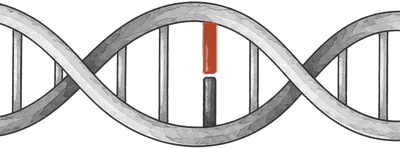
DNA double helix with one base highlighted as a mutation

Genetic cause

How do mutations cause inherited FTD and ALS?

We study how specific genetic mutations cause familial forms of neurodegenerative disease.

Mutations in progranulin (GRN) are a common cause of inherited FTD, and common variants in TMEM106B strongly influence who develops the disease. How these two genes connect was unknown. We found that they converge on a single molecule: losing GRN lets C-terminal fragments (CTFs) of TMEM106B build up in neuronal lysosomes, and the protective version of TMEM106B keeps CTF levels low (Zeng et al., 2026 (opens in new tab)). CTF levels may be a disease driver we can measure and target.
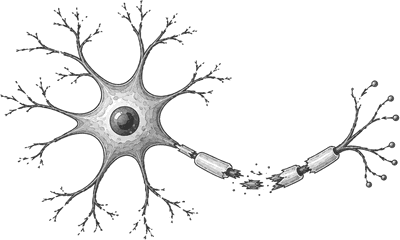
A neuron whose axon is breaking apart

Molecular mechanism

How does TDP-43 loss derail RNA processing?

In most FTD and ALS, the RNA-binding protein TDP-43 leaves the nucleus and forms cytoplasmic aggregates, driving neurodegeneration.

In the nucleus, TDP-43 controls how thousands of RNAs are processed. We ask which errors from its loss matter for neurons and how they propagate to other cells. TDP-43 loss changes where many RNAs end, a key layer of gene regulation called alternative polyadenylation (APA) (Zeng et al., 2025 (opens in new tab)). This APA dysregulation reduces expression of disease-associated genes such as VPS35, part of the cell’s retromer protein-sorting machinery (Maheswari Jawahar, Zeng et al., 2026 (opens in new tab)). We also found that nonsense-mediated decay (NMD) hides thousands of cryptic splicing errors by destroying cryptic RNA isoforms (Zeng, Sianto et al., 2025 (opens in new tab)). Bringing these hidden errors to light points to new disease drivers and new drug targets.

A medical bag with a cross

Intervention

Can we correct the errors?

If we know the mistake, can we fix it?

Each mechanism we define points to a way to fix it. We are exploring ways to promote degradation of TMEM106B CTFs, and designing antisense oligonucleotides (ASOs), short synthetic strands that bind RNA, to correct cryptic splicing and APA changes, with the goal of repairing defects in the cells that need it.

Publications

2026

* Equal contribution · # Co-corresponding author

Team

Your name here

We're recruiting graduate students, postdocs, and undergraduates.

Join us

News

  1. The Zeng Lab opens in January 2027, and we're recruiting

    We’re launching in the Department of Biochemistry and the BioFrontiers Institute at the University of Colorado Boulder to define the molecular mechanisms of neurodegeneration. Graduate students, postdocs, and undergraduates: get in touch.

Join Us

We're a brand-new lab building a collaborative, curious, and supportive team. If you're excited about RNA biology and neurodegeneration, we'd love to hear from you.

Get in touch

Contact

BioFrontiers Institute

Department of Biochemistry

University of Colorado Boulder

Jennie Smoly Caruthers Biotechnology Building

3415 Colorado Ave

Boulder, CO 80303

yizeng@colorado.edu